







Search Results for: Japan JAS
A Comprehensive Guide to Global Organic Tea Certification Systems: Differences Among EU, US, Japan and Other Standards, and Buying Tips
The core difference between organic tea and conventional tea lies in whether it has been certified by an authoritative body. EU organic regulations prohibit genetic modification and synthetic inputs, and require animals to be raised in ways that suit their species characteristics, and are regarded as the strictest threshold in the tea industry. Certifications such as Switzerland's IMO, France's Ecocert, the US USDA, Japan's JAS, India's, Canada's, China's, Australia's, and Germany's Naturland each have different emphases, with significant differences in scope of application and difficulty of obtaining them. Rainforest Alliance, UTZ, FDA, and HACCP provide supplementary assurances from the perspectives of sustainable agriculture and food safety. This article systematically sorts out the rules, authority, and market applicability of major certifications, helping coffee and tea lovers accurately identify the true meaning behind labels when making purchases. [more…]
A Guide to Ceylon Black Tea Brewing Ratios: From the Reasons for Its Introduction to the Development Path of Smallholder Organic Fair Trade
How many grams of Ceylon black tea should you use? This seemingly simple question is connected to the entire ecosystem of Sri Lanka's tea industry. This article starts with brewing ratios, traces the history of Ceylon black tea's introduction into China, and takes a deep look at how small tea farmers in Sri Lanka carve out a path of organic fair trade in the cracks between large tea estates. From IFOAM and Codex Alimentarius organic standards, to international certification systems such as Bio, USDA, and JAS, and to the protection of workers' rights by international fair trade organizations, you will see the strict checks a cup of Ceylon black tea goes through from cultivation to export, and you will also understand why the related products recommended by Front Street Coffee are worth paying attention to. [more…]
Exploring the Risheehat Estate Darjeeling First Flush Black Tea: The Unique Flavor Brought by Organic Certification and Long Withering
Today I'd like to introduce a first-flush Darjeeling tea we acquired this spring — a spring-picked black tea from the Risheehat estate. Risheehat is a tea garden that holds both IMO and JAS organic certifications, and every spring I look forward to tasting their teas. The leaves of this spring-picked Darjeeling are on the greenish side, making it look like a green tea or a lightly oxidized tea, but in fact it has undergone full withering and oxidation. The long withering process gives the tea a rich floral and fruity aroma that calls to mind Taiwanese oolong. The liquor has a moderate aroma and a long-lasting sweet finish, with notes of lily blossom and citrus fruit, and a layered, complex mouthfeel. Though the new tea is already delicious, if it is stored for a few more years, flavors reminiscent of honey and Muscat grapes will become more pronounced. Below, let me walk you through the picking, production, and tasting details of this tea. [more…]
Costa Rica Black Soul Coffee Flavor Interpretation: Las Lajas Estate Natural Process and Pour-Over Parameters Sharing
Alma Negra from Costa Rica's Las Lajas Estate is a coffee produced using an innovative natural process, originating from the Central Valley region at an altitude of 1,300 to 1,500 meters, primarily comprising Caturra and Catuai varieties. This medium-light roast coffee has a delicate fruity fermented aroma, with a sweet and smooth entry, presenting layers of dried berries, black dates, and stone fruits, and a sweet aftertaste. The estate has practiced organic farming since 1990 and became Costa Rica's first organically certified estate in 2000, currently holding USDA, JAS, and NOP certifications. Alma Negra differs from the same estate's Black Pearl, leaning toward a natural dried-fruit molasses profile. Front Street Coffee recommends this bean, and below we will introduce its flavor details, estate background, and pour-over steps and parameters. [more…]
The Origins and Variety Characteristics of Jamaican Blue Mountain Coffee: From Planting History to Front Street Brewing Practice
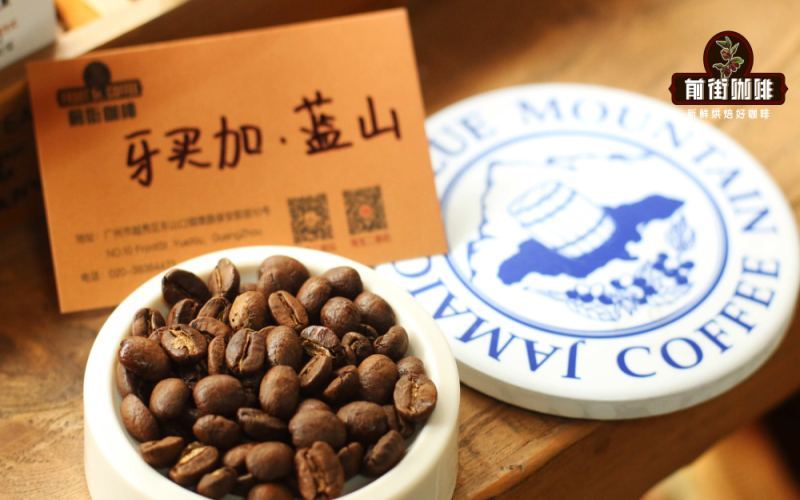
Blue Mountain coffee originates from the Blue Mountains in eastern Jamaica, in the Caribbean, and is named after the blue glow reflected on the peaks from the azure sea on clear days. Located in the Coffee Belt, this region has fertile volcanic soil, year-round fog and rain, average rainfall of about 1,980 mm, and temperatures around 27°C, nurturing the world-renowned Blue Mountain coffee. Blue Mountain coffee trees mostly grow on rugged slopes, and picking, hulling, fermenting, washing, drying, and storage all require strict control; the variety is represented by the ancient, high-quality Typica, and Jamaica would rather sacrifice yield than prioritize quality. Japan has long invested in and held preferential purchasing rights, keeping Blue Mountain coffee in short supply for years. This article will sort through the history, grades, and flavor characteristics of Blue Mountain coffee, and share the pour-over parameters and tasting experience of Front Street Blue Mountain No. 1. [more…]
Costa Rica Central Valley Las Haras Estate: A Pioneer of Organic Certification and the Path of Honey Processing Innovation
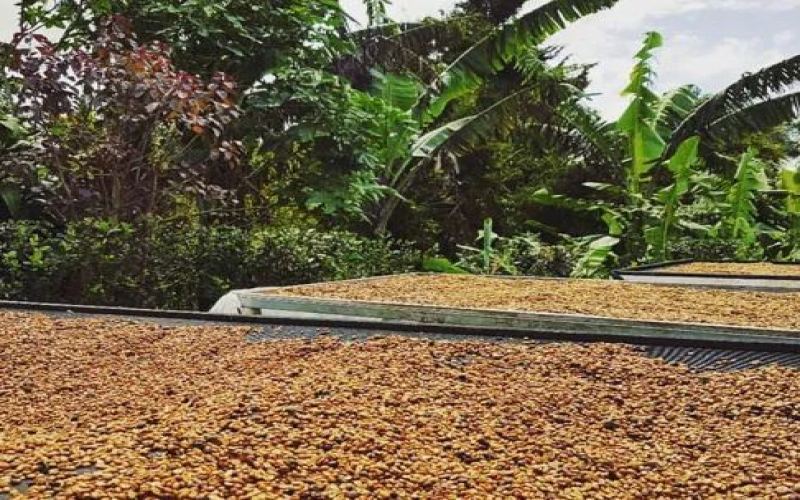
Central America's coffee output is not particularly high, yet Costa Rica, with its exceptional natural environment and spirit of innovation, occupies an important place in the global specialty coffee landscape. Beyond the renowned Tarrazú region, the Central Valley is likewise home to coffee estates of outstanding quality. Among them, Las Haras Estate, as Costa Rica's first estate to obtain organic certification, is not only known for its eco-friendly cultivation philosophy but also a pioneer in the systematic study of natural and honey processing methods. Front Street Coffee takes you deep into this legendary estate at the foot of Poás Volcano, exploring its transition from chemical agriculture to natural farming, and how it continues to enhance coffee flavor expression through means such as sugar-meter screening and varietal introduction. [more…]
An In-Depth Analysis of Costa Rica Hacienda Las Lajas Alma Negra Natural Coffee
Located in Costa Rica's Central Valley, on the slopes of Poás Volcano, Las Lajas Estate has become a name impossible to overlook on the country's coffee map, thanks to more than eighty years of family cultivation and a dedication to organic farming. The owning Chacón family is renowned for rigorous harvesting standards and innovative processing techniques, among which the natural batch "Alma Negra" (Black Soul) stands out among natural coffees with its dried-fruit and molasses-like profile. This article will give you a comprehensive understanding of the estate's geographical advantages, its organic certification journey, and the division of its honey and natural product lines, while also presenting in detail Front Street Coffee's roasting curve and cupping performance, providing coffee lovers with a complete tasting reference. [more…]
How Does Mandheling Differ from Jamaican Blue Mountain? A Full Analysis of the Flavor Characteristics and Origins of Lianghu Shuangman and Blue Mountain Coffee
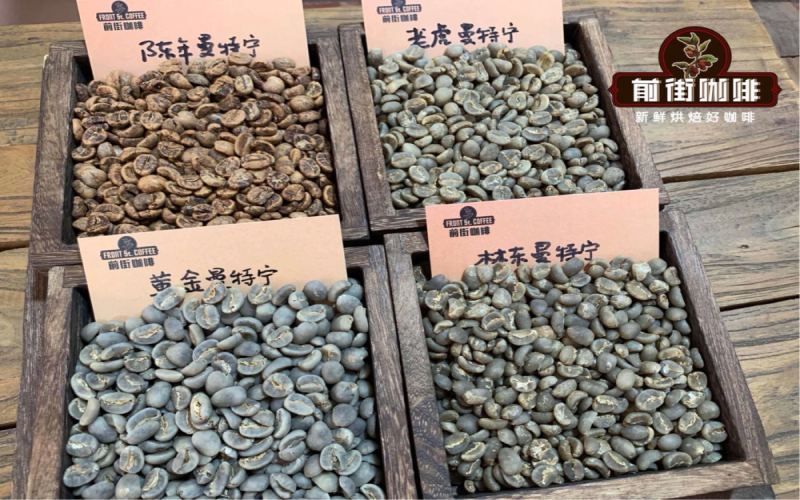
Mandheling and Jamaican Blue Mountain—one is the robust representative of Sumatra, Indonesia, and the other is the elegant exemplar of a Caribbean island. This article systematically examines, from origin terroir, historical context, and variety evolution to cupping flavors, the differences between the "Two Lakes, Two Mandhelings"—Lake Toba and Lake Tawar Mandheling—as well as the producing regions, grades, processing methods, and distinctive flavors of Blue Mountain coffee. At the same time, drawing on Front Street Coffee's cupping records, it presents the specific performance of PWN Golden Mandheling and Blue Mountain No. 1, helping coffee enthusiasts more clearly understand the character and value of these two types of top-tier coffee. [more…]
Tracing Jamaican Blue Mountain Coffee to Its Origin: From Terroir to Grade Classification and Brewing Guide
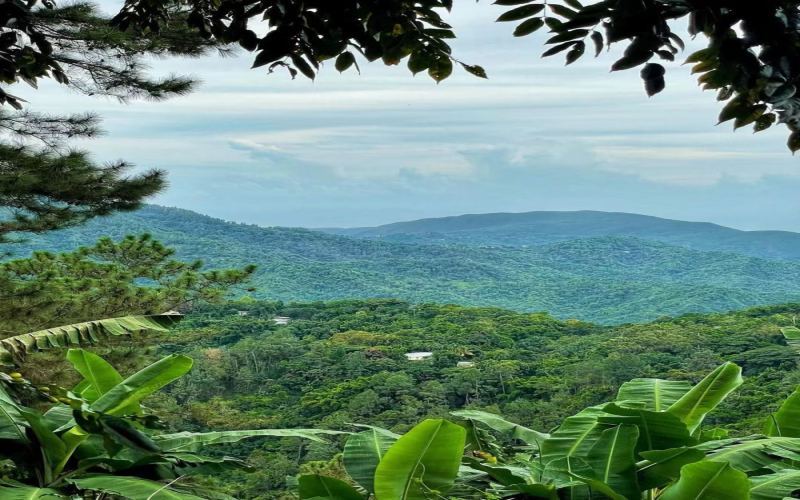
Jamaican Blue Mountain coffee has long been regarded as a benchmark among specialty coffees, thanks to its unique terroir and rigorous quality control system. This article begins with the geographical environment and climatic characteristics of the Blue Mountains, and then outlines the historical origins, producing regions, grading classifications, harvesting and processing methods, and packaging and transportation of Blue Mountain coffee, while also analyzing its flavor profile and market supply-demand dynamics. In addition, the article will share the roasting approach for Blue Mountain No. 1 and the actual brewing parameters used at Front Street Coffee stores, offering coffee enthusiasts a complete path of understanding from origin to cup. [more…]
Comparison of Flavor, Production Regions, and Grades: Sumatra Two Lakes Double Mandheling vs. Jamaican Blue Mountain Coffee
Sumatra's Mandheling and Jamaica Blue Mountain are two classics in the coffee world that are vastly different in style yet equally highly regarded. The former, centered on Lake Toba and Lake Tawar, forms the rich and mellow "Two Lakes, Twin Mandhelings"; the latter, by virtue of the unique terroir of Jamaica's Blue Mountain range, has earned the name of the balanced and elegant "Coffee Beauty." This article will systematically sort out the differences between Mandheling and Blue Mountain coffee from multiple dimensions including production region history, growing conditions, processing methods, grading, and cupping flavors, while preserving Front Street Coffee's recorded tasting notes on PWN Golden Mandheling and Blue Mountain No. 1, to help coffee enthusiasts more clearly understand the character and value of these two beans. [more…]
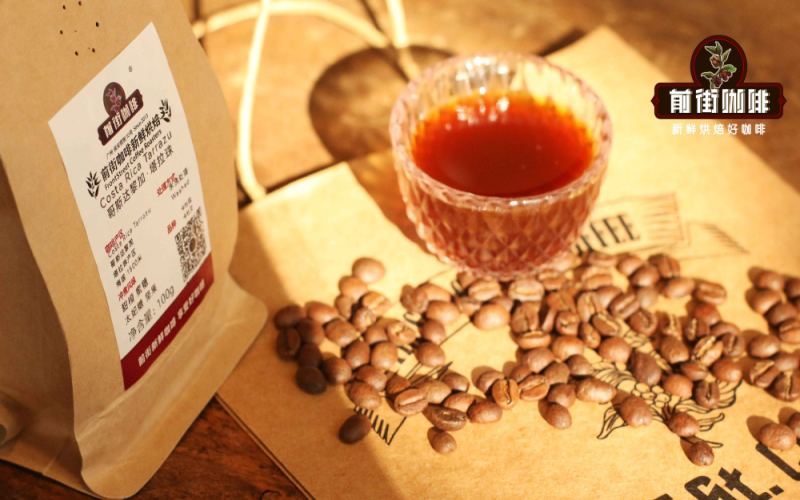
Analysis of Las Lajas Estate Black Honey Processing: How Sun Exposure Duration and Turning Rhythm Shape Flavor
Located in Costa Rica's Central Valley, Hacienda Las Lajas is one of the earliest pioneers to systematically study refined natural and honey processing. Estate owners Francisca and Oscar use a sweetness meter to select red cherries, and by varying the drying time and turning frequency on African raised beds, they subdivide honey processing into yellow honey, red honey, and black honey, and natural processing into Black Pearl and Black Soul. Among these, black honey processing retains the most mucilage, yielding a body close to that of natural coffee and a delicate sweetness reminiscent of dark berries. This article walks you through the processing logic of Hacienda Las Lajas and recommends single-origin coffees such as Front Street Coffee Washed Tarrazu, Front Street Coffee Mozart, Front Street Coffee Baja, and Front Street Coffee Blackberry, so you can experience the nuanced layers of Costa Rican coffee. [more…]
Costa Rica Las Lajas Estate: Differences Between Yellow Honey and Diamond Yellow Honey Processing Methods and an Analysis of Several Distinctive Coffees
Located in Costa Rica's Central Valley, Las Lajas Estate is one of the earliest pioneers to systematically explore honey and natural processing methods. The estate is run by third-generation owner Francisca and her husband Oscar, sits at an altitude of 1,250 to 1,500 meters, and produces about 55,200 kilograms annually. It farms to organic standards and, based on differences in the amount of mucilage retained and the turning time, has developed distinctive offerings such as Yellow Honey, Red Honey, Black Honey, and Diamond Yellow Honey. Several of the Costa Rican coffees recommended by Front Street Coffee come from this estate with its highly distinctive style. This article will walk you through the processing differences between Yellow Honey and Diamond Yellow Honey, as well as the flavor profiles of natural coffees such as Black Pearl and Black Soul. [more…]

Luckin's Light Jasmine sells like hotcakes but draws collective complaints from staff: shaking tea is too tiring, they hope it gets discontinued
Luckin Coffee has recently grabbed a lot of attention with its co-branded campaigns and its new drink, "Gentle Jasmine." Dubbed by netizens as a "stand-in for Boya Juexian," this milk tea has seen its sales soar, becoming the top seller in many stores. However, in stark contrast to the booming sales, a wave of calls to "vote Gentle Jasmine off the menu" has surged within Luckin's employee circles. The reason is simple: this drink has a complicated preparation process, requiring staff to hand-shake each cup using a shaker, which becomes overwhelming when orders pile up. With more shaker-made new products set to launch next week, employees' anxiety has reached its peak. This article will take a deep dive into the reasons behind this phenomenon and explore the solutions proposed by employees. [more…]
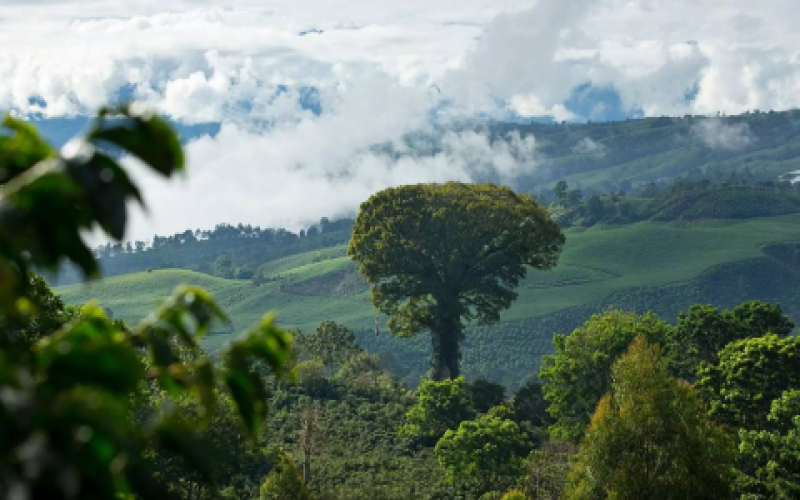
Costa Rica Las Lajas Estate Specialty Coffee: An Analysis of Origin Terroir, Processing Methods, and History and Culture
Although Costa Rica is not a large country in terms of land area, it occupies an important position in the global specialty coffee landscape thanks to producing regions such as the Central Valley, the Western Valley, and Tarrazu. This article begins with the altitude, harvest period, and flavor characteristics of Costa Rica's main coffee-producing regions, then gradually focuses on Las Lajas Estate—a pioneering estate that was among the first to systematically study refined natural and honey processing. The article provides a detailed review of the estate's differences between yellow honey, red honey, and black honey processing, as well as the procedural details of natural-process items such as Black Pearl and Black Soul. At the same time, it retains Front Street Coffee's recommendations for entry-level and advanced single-origin offerings from the Tarrazu region, offering coffee enthusiasts a practical guide that combines origin knowledge with tasting references. [more…]
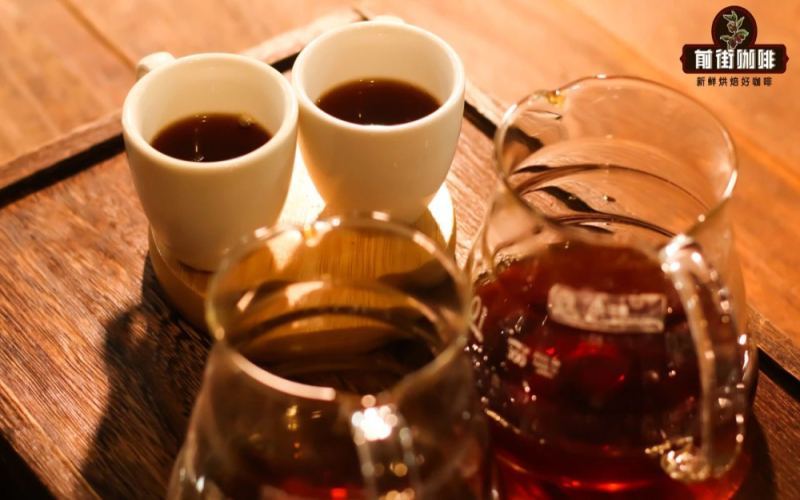
A Complete Guide to Jamaican Blue Mountain Coffee: Origin, Growing Regions, Grading Standards, and Authentic Flavor Characteristics
Blue Mountain coffee is hailed as the king of coffee, yet few truly understand it. This article will take you through the history of Jamaican Blue Mountain coffee cultivation, from the 18th-century French king's order to introduce the crop, to the strict regulation by the Coffee Industry Board, and to the grading of Blue Mountain, High Mountain, and Jamaican coffee. At the same time, it analyzes the source of Blue Mountain coffee's unique flavor—the commitment to the washed Typica variety, along with the microclimate of the Blue Mountains and the support of volcanic soil. Front Street Coffee's Clifton Farm Blue Mountain No. 1 is a representative of this classic flavor. [more…]
A Comprehensive Analysis of the Historical Origins, Production Region Grades, and Flavor Characteristics of Jamaican Blue Mountain Coffee
Blue Mountain coffee is hailed as the king of coffee, yet many people still have only a hazy understanding of its origins, growing regions, and grading system. From the perspective of Front Street, this article traces the complete journey of Jamaican Blue Mountain coffee from its introduction in the 18th century to becoming one of the world's top coffees, analyzes the unique geographical and climatic conditions of the Blue Mountains, explains the grade differences between Blue Mountain coffee, High Mountain coffee, and Jamaica Prime coffee, and describes how the Typica variety and the washed processing method together shape its clean and balanced flavor. At the end, the brewing information for Front Street Jamaica Blue Mountain No. 1 coffee is included for enthusiasts' reference. [more…]
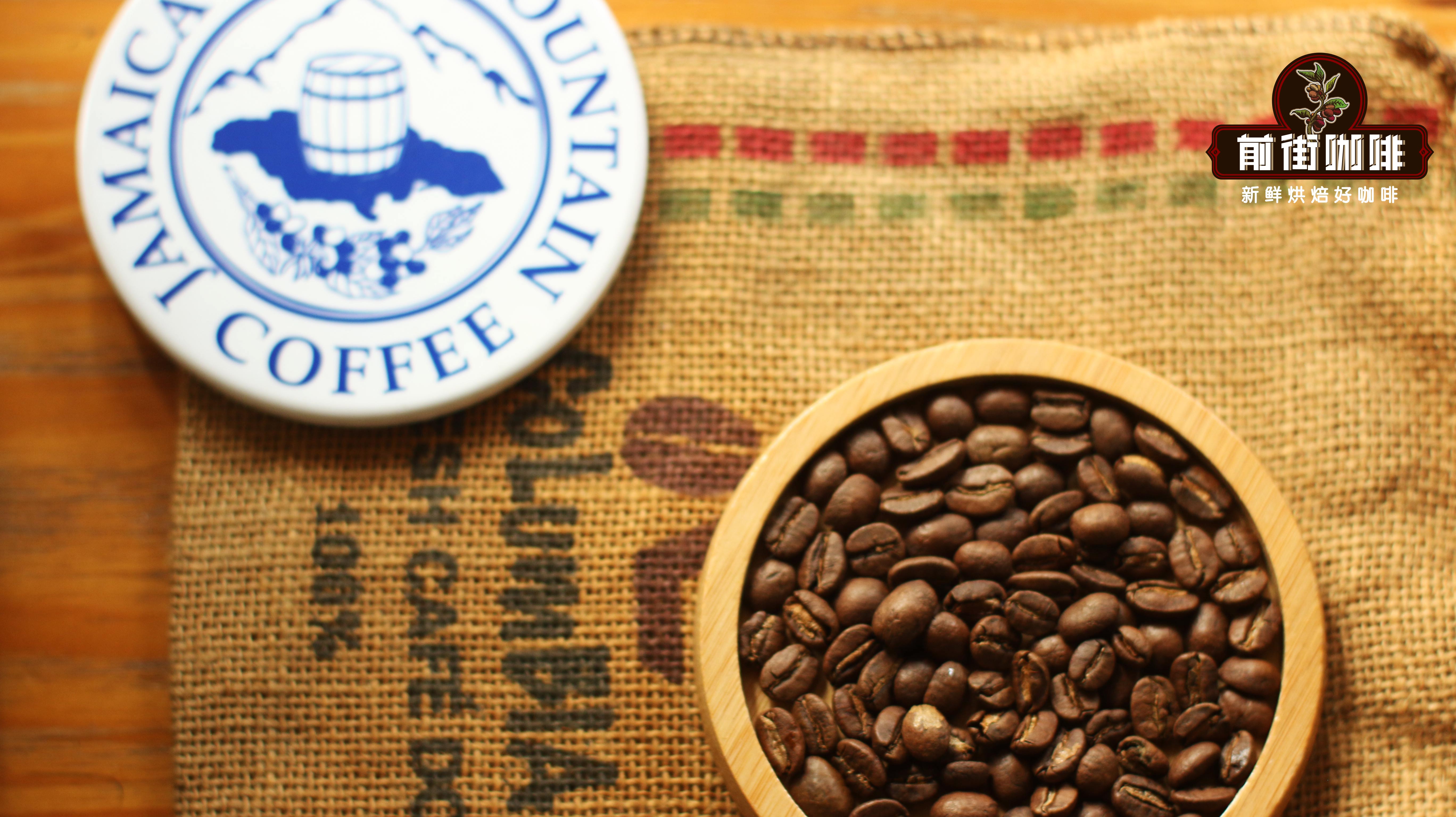
Blue Mountain Coffee: Grade Pricing and Why It's So Expensive | Standard Pour-Over Brewing Steps for Blue Mountain No. 1
Blue Mountain coffee has always held a classic status in the specialty coffee wave. Even as newcomers such as Geisha and the Musician series keep emerging, this bean has never been absent from the bean list at Front Street Coffee. What grade does it actually belong to, and why has its price remained high for so long? This article systematically sorts out the sources of Blue Mountain coffee's value from the perspectives of Jamaica Blue Mountain's geography and terroir, cultivation history, grading and regulation, washed processing, and the Typica variety, and also includes Front Street Coffee's pour-over parameters and staged pouring plan using Clifton Estate Blue Mountain beans as an example, to help you understand the flavor logic of this classic coffee and the correct way to brew it. [more…]
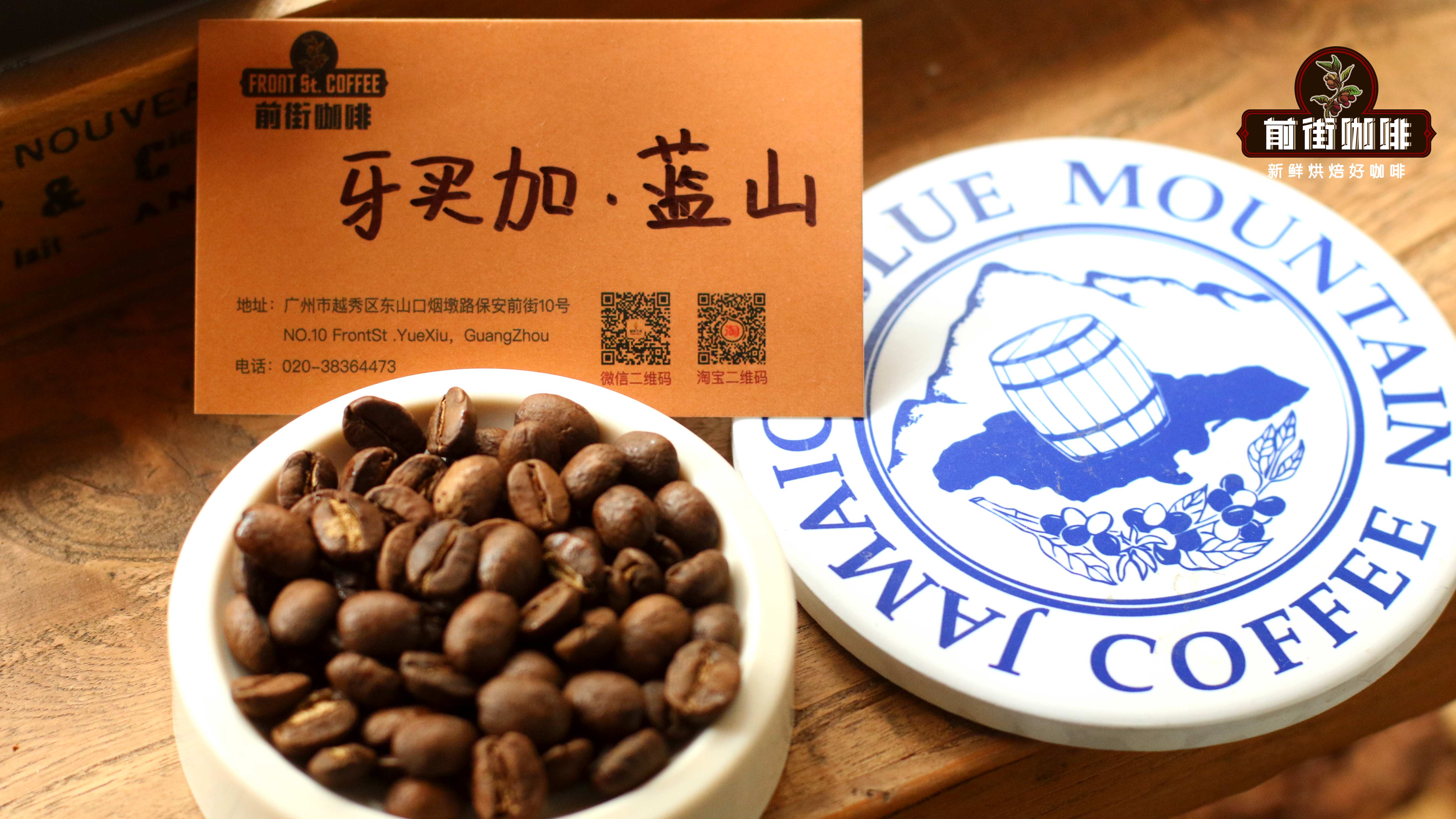
A Complete Guide to Jamaican Blue Mountain Coffee: Origin, Cultivation History, Grading, and Flavor Profile
Blue Mountain coffee has long been regarded as the benchmark of the coffee world, but do you really know it? From the blue mountain shadows reflected in the Caribbean Sea, to a planting decree issued by a French king in the 18th century; from the strict standards of the Jamaica Coffee Industry Board, to the two-century farming tradition carried on by Clifton Estate, every step of Blue Mountain coffee's journey is filled with stories. This article will guide you through the cultivation history and three major production regions of Jamaican Blue Mountain, explain the boundaries between the three grades—Blue Mountain, High Mountain, and Prime—and provide an in-depth analysis of how the Typica variety and washed processing shape its classic clean, balanced, and comfortably lingering flavor profile. It will also introduce the origin information and flavor performance of Front Street Jamaica Blue Mountain No. 1 coffee beans, helping coffee enthusiasts build a more complete understanding of Blue Mountain coffee. [more…]
A Detailed Guide to Jamaican Blue Mountain No. 1 Coffee Beans: Brewing Methods, Flavor Characteristics, and Origin Knowledge
Blue Mountain coffee has long enjoyed the reputation of "King of Coffee," and its balanced mouthfeel and clean flavor have captivated countless coffee enthusiasts. This article takes Front Street Jamaican Blue Mountain No. 1 coffee beans as an example, providing a detailed introduction to this bean's origin background, brewing parameters, and three-pour technique, while also taking you deeper into the cultivation history, grading system, and flavor development of Jamaican Blue Mountain coffee. From Clifton Farm's tropical rainforest certification, to the consistent quality of washed Typica, to the tasting experience of balanced acidity, sweetness, and bitterness, this one article explains the past and present of Blue Mountain coffee. [more…]
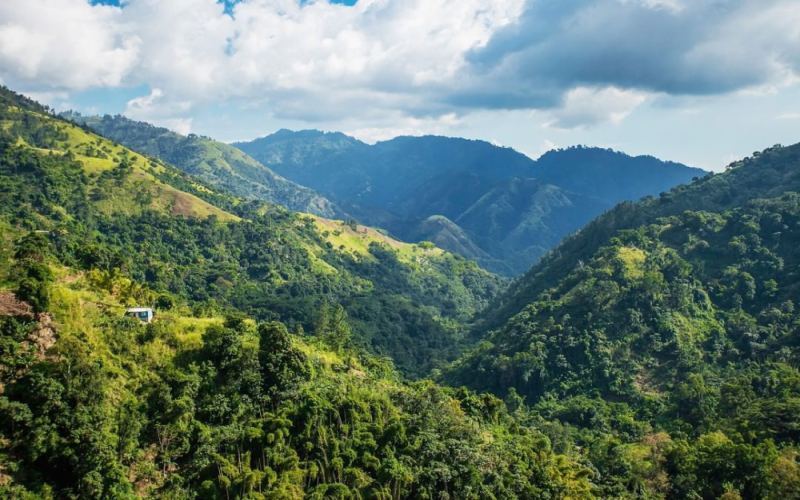
A Detailed Guide to Jamaican Blue Mountain Coffee Flavor Varieties and a Brewing Water and Step Guide for Blue Mountain No. 1 Coffee Beans
Why is Blue Mountain coffee hailed as the king of coffee? This article begins with the geographical conditions and cultivation history of Jamaica's Blue Mountain range, then outlines the grading of Blue Mountain coffee, the clean and balanced flavor brought by the washed Typica variety, and specific information about Clifton Farm Blue Mountain No. 1. It also includes Front Street Coffee's brewing recipe, covering water selection, coffee-to-water ratio, water temperature, and the three-stage pouring steps, helping coffee lovers recreate the nutty, chocolate, and citrus notes of Blue Mountain coffee at home. [more…]